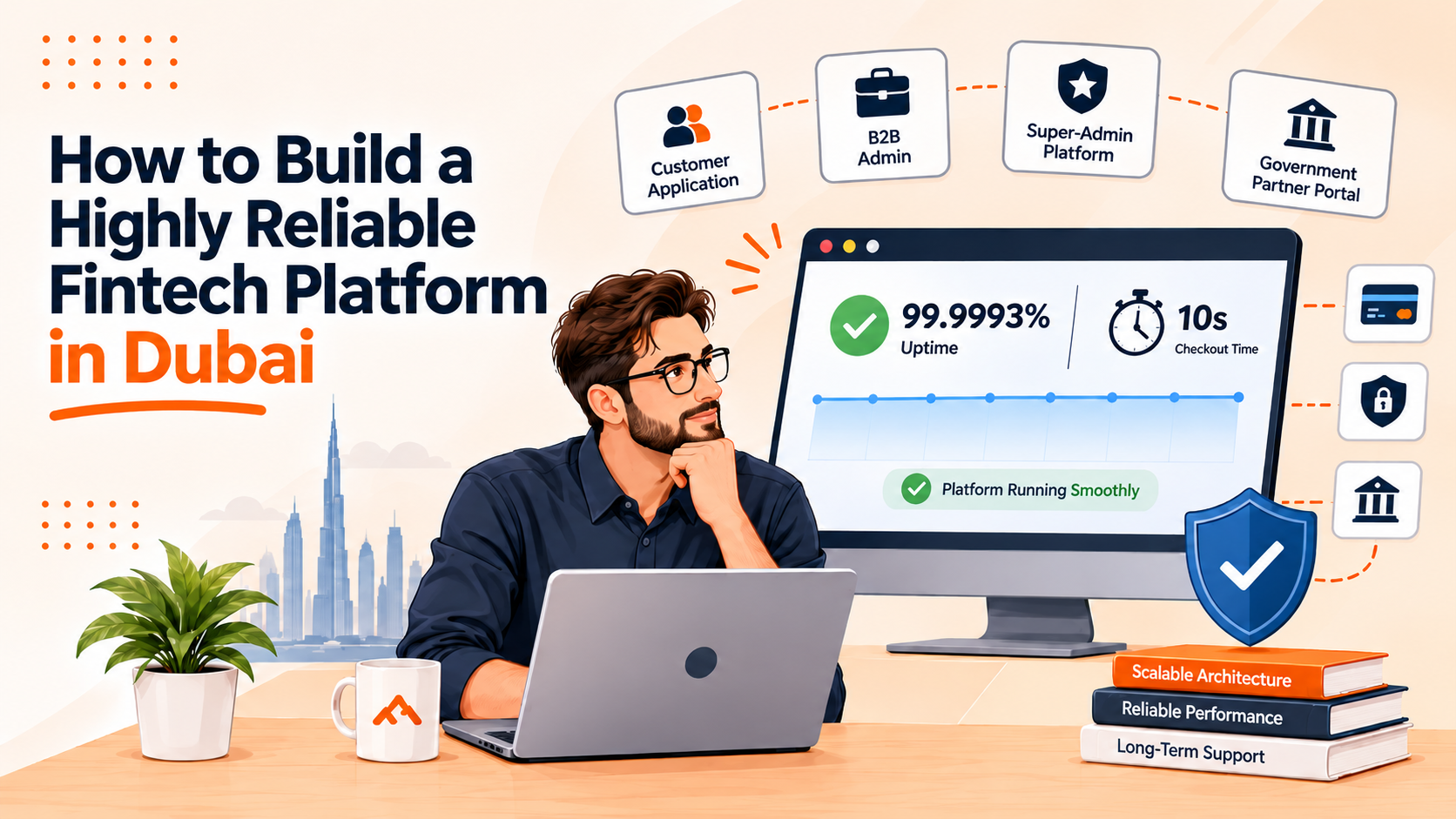
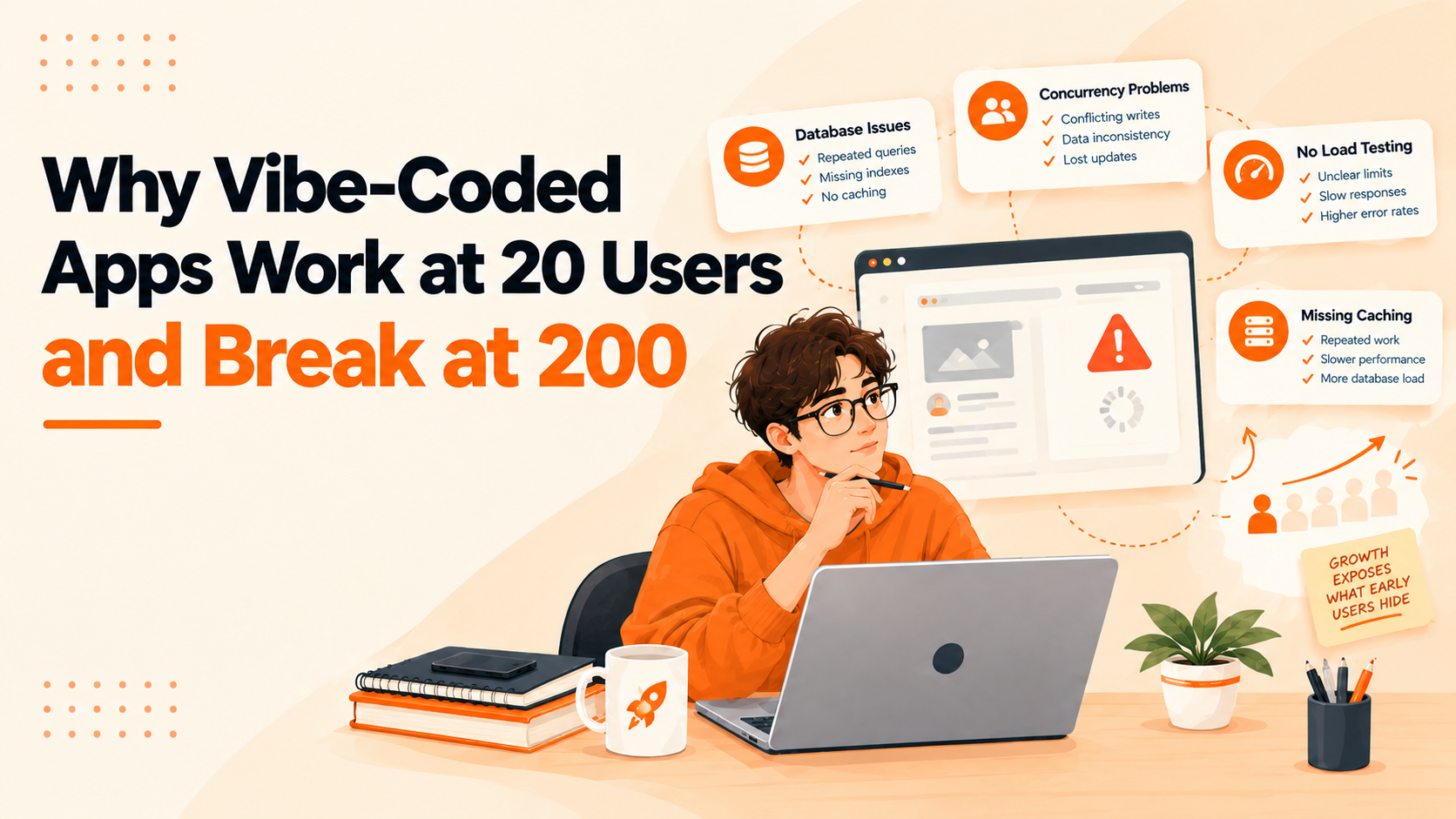
Dubai's fintech industry is growing rapidly as businesses increasingly rely on digital platforms for payments, financial transactions, and customer services. As these services become essential, platform reliability is more important than ever. Even a few minutes of downtime can interrupt transactions, affect customer trust, and result in financial losses.
Building a reliable fintech platform requires more than powerful servers. It involves scalable software architecture, dependable cloud infrastructure, continuous monitoring, strong security, and regular maintenance.
For fintech businesses in Dubai, understanding these practices is essential when developing secure and high-performing financial applications. Let's explore how businesses can build fintech platforms that remain reliable as their operations grow.
1. Why Uptime Matters for Fintech Platforms in Dubai
Fintech platforms handle sensitive financial activities that require consistent availability. Customers expect to access their accounts, transfer funds, and complete payments without interruptions.
For fintech businesses in Dubai, downtime can create several challenges:
-
Interrupted transactions: Failed or delayed payments can frustrate customers.
-
Loss of customer trust: Frequent service interruptions can damage a company's reputation.
-
Operational challenges: Technical failures can disrupt internal business processes.
-
Financial losses: Unavailable services can result in missed transactions and revenue opportunities.
High uptime helps fintech companies deliver dependable services, improve customer experiences, and maintain business continuity.
2. Understanding Uptime and Availability Targets
Uptime represents the percentage of time a platform remains operational and accessible to users during a specific measurement period.
Fintech businesses often set availability targets to establish how reliable their applications should be.
For perspective:
-
99% uptime: Approximately 3.65 days of annual downtime.
-
99.9% uptime: Approximately 8.76 hours of annual downtime.
-
99.99% uptime: Approximately 52.56 minutes of annual downtime.
-
99.999% uptime: Approximately 5.26 minutes of annual downtime.
These figures assume a 365-day year and uninterrupted measurement.
Achieving higher availability requires careful infrastructure planning, fault-tolerant software architecture, and continuous performance monitoring. Businesses should also define how uptime is measured, including which services are covered and whether planned maintenance is excluded.
3. The Infrastructure Behind a Highly Reliable Fintech Platform
A reliable fintech platform starts with infrastructure designed to handle heavy workloads and unexpected technical failures.
Several components contribute to platform stability:
-
Cloud-based infrastructure: Scalable cloud environments help manage changing traffic and computing requirements.
-
Server redundancy: Backup servers help maintain operations when primary servers become unavailable.
-
Load balancing: Incoming requests are distributed across multiple servers to prevent individual systems from becoming overloaded.
-
Database reliability: Proper database architecture protects transaction records and maintains data consistency.
-
Distributed systems: Separating services reduces the risk of one component affecting the entire platform.
These components can improve resilience, but their effectiveness depends on how they are designed, configured, and tested. Redundancy alone does not guarantee availability. Applications also need reliable dependencies, appropriate failure handling, and tested recovery procedures.
These practices align with the AWS Well-Architected Framework, which highlights reliability, security, and operational excellence as important cloud architecture principles.
4. How Continuous Monitoring Helps Reduce Unexpected Downtime
Even well-designed infrastructure can experience technical problems. Continuous monitoring helps development and operations teams identify unusual behaviour, detect failures, and respond before smaller issues develop into more serious disruptions.
Effective monitoring includes:
-
Real-time performance tracking: Monitoring server health, response times, and resource usage.
-
Automated alerts: Notifying technical teams when unusual activity or performance issues occur.
-
Error detection: Identifying application failures, database problems, and network interruptions.
-
Proactive maintenance: Addressing potential issues before they affect platform availability.
Google's Site Reliability Engineering (SRE) approach emphasizes managing availability, latency, performance, and capacity through continuous engineering and monitoring practices.
5. Disaster Recovery and Automated Failover
Unexpected failures can happen because of hardware problems, network interruptions, software errors, or infrastructure outages. Fintech platforms need recovery systems to minimize their impact.
Two important approaches are disaster recovery and automated failover.
Disaster recovery focuses on restoring systems and data after major disruptions. It generally includes:
-
Regular data backups.
-
Documented recovery procedures.
-
Backup infrastructure in separate environments.
-
Regular recovery testing.
Automated failover can redirect workloads to backup systems when a primary component becomes unavailable. Its effectiveness depends on infrastructure configuration, data replication, application design, and regular testing.
Businesses should also define recovery time objectives (RTO) and recovery point objectives (RPO). These help determine how quickly services should be restored and how much data loss can be tolerated.
According to AWS reliability guidance, automated recovery, fault isolation, and regular recovery testing are important practices for building resilient cloud workloads.
6. Security and Compliance in Fintech Application Development
Reliability is not just about keeping a platform online. Fintech applications must also protect sensitive financial information and prevent unauthorized access.
Important security practices include:
-
Data encryption: Protecting sensitive information during transmission and storage.
-
Secure authentication: Using multi-factor authentication and appropriate access controls.
-
Regular security testing: Identifying vulnerabilities before attackers can exploit them.
-
Activity monitoring: Detecting suspicious login attempts and unusual transaction patterns.
-
Compliance planning: Considering applicable UAE financial regulations and data protection requirements.
The UAE Personal Data Protection Law establishes requirements for handling and protecting personal information. Fintech businesses should also consider applicable Central Bank of the UAE regulations and other relevant regulatory requirements, depending on their activities, licensing arrangements, and regulatory jurisdiction.
7. The Role of Regular Maintenance in Long-Term Reliability
Launching a fintech application is only the beginning. Regular maintenance keeps its infrastructure, software, and security systems functioning effectively.
A proper maintenance strategy should include:
-
Updating software dependencies and system components.
-
Optimizing databases and application performance.
-
Monitoring server capacity and resource usage.
-
Fixing bugs and addressing security vulnerabilities.
-
Testing updates before deployment.
Regular maintenance helps businesses prevent avoidable disruptions, improve application performance, and support long-term reliability.
8. Choosing the Right Fintech App Development Partner in Dubai
Building a reliable fintech platform requires technical expertise from the planning stage through deployment and ongoing maintenance.
Businesses choosing a fintech app development company in Dubai should consider:
-
Experience with scalable software architecture.
-
Knowledge of cloud infrastructure and deployment.
-
Strong security and software testing practices.
-
Expertise in performance optimization.
-
Reliable post-launch maintenance and technical support.
The right software development partner can help businesses develop fintech applications that handle growing demand without compromising performance, security, or user experience.
9. Key Practices for Building Reliable Fintech Platforms
Building a reliable fintech platform requires a combination of sound architecture, infrastructure planning, and ongoing operational practices.
Businesses should focus on four key principles:
-
Design for failures: Plan for infrastructure disruptions and individual component failures.
-
Monitor continuously: Track availability, performance, errors, and unusual system behaviour.
-
Test recovery procedures: Maintain reliable backups and regularly test disaster recovery arrangements.
-
Maintain security and performance: Update dependencies, address vulnerabilities, and optimize application performance.
Applying these principles helps fintech businesses improve platform reliability and prepare their systems for changing operational demands.
Frequently Asked Questions (FAQs)
1. What does uptime mean for a fintech platform?
Uptime measures the percentage of time a fintech platform remains operational and accessible to users during a defined period.
2. Why is uptime important for fintech applications?
High uptime helps ensure uninterrupted transactions, improves customer experience, and protects business operations from unnecessary disruptions.
3. How do fintech platforms prevent unexpected downtime?
They use server redundancy, load balancing, continuous monitoring, automated failover, and disaster recovery systems.
4. How does cloud infrastructure improve fintech platform reliability?
Cloud infrastructure provides scalable resources, flexible deployment options, and redundancy that can help reduce service interruptions.
5. What security measures are important for fintech applications in Dubai?
Important measures include data encryption, multi-factor authentication, access controls, security testing, and compliance with applicable UAE regulations.
6. How can businesses choose a fintech app development company in Dubai?
Businesses should evaluate technical expertise, security practices, scalability experience, development processes, and post-launch support.
Ready to Build a Reliable Fintech Application?
At Multisyn, we help businesses develop scalable digital solutions through custom software development, mobile app development, and ongoing technical support.
Whether you're planning a new fintech application or improving an existing digital platform, our team can help you establish a strong technical foundation for long-term growth.
Explore Multisyn's custom software development services and discuss your next project with our team.