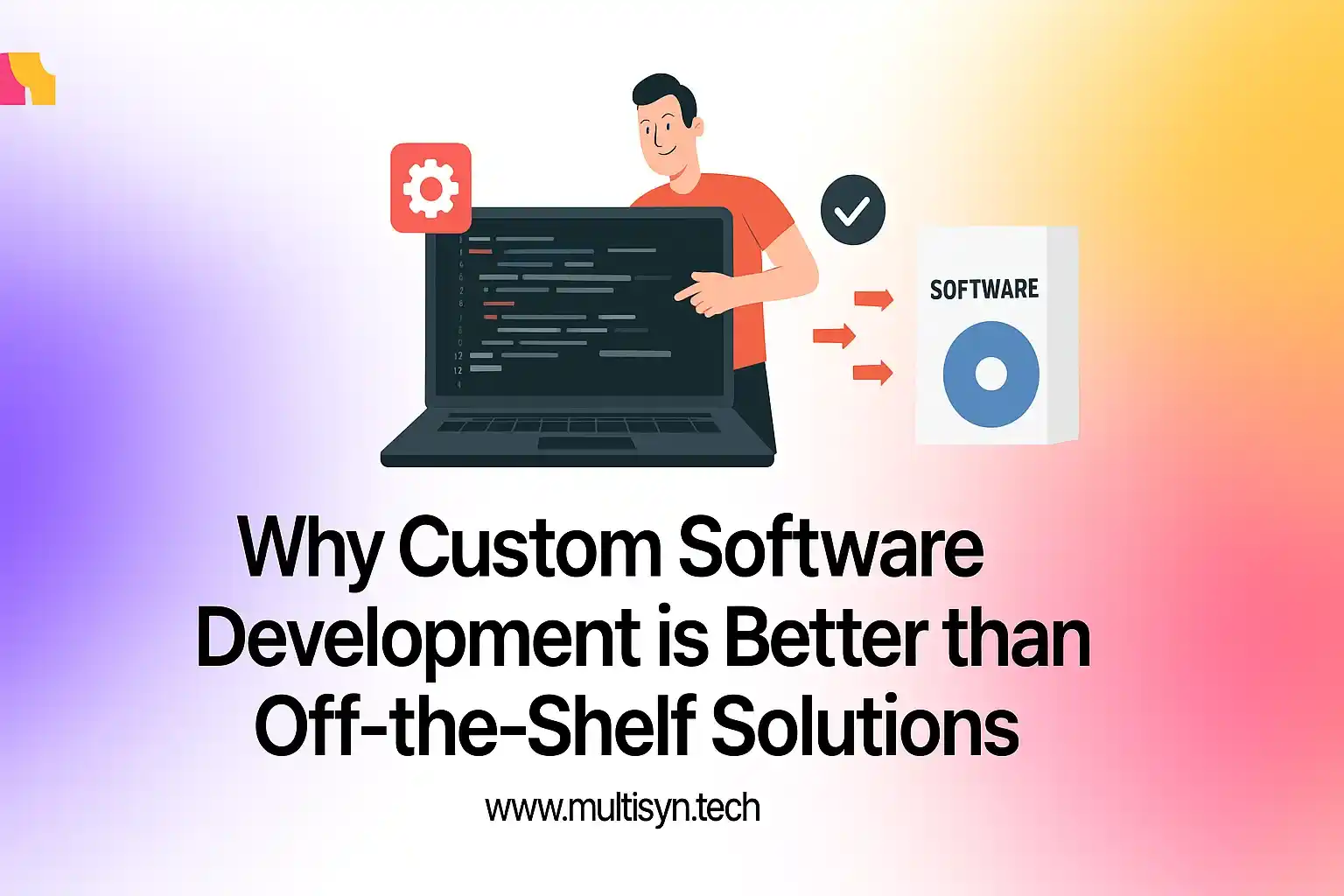
Choosing between custom software and off-the-shelf software is one of the most important technology decisions a business can make. While off-the-shelf software is ready to use and typically requires a lower upfront investment, custom software is designed specifically around your business processes, offering greater flexibility, scalability, and long-term control.
The right choice depends on your business goals, operational needs, and future growth plans. This guide compares both approaches to help you determine which solution will deliver the greatest value for your organization.
Custom Software vs. Off-the-Shelf Software: Quick Comparison
|
Factor
|
Custom Software
|
Off-the-Shelf Software
|
|
Upfront Cost
|
Higher initial investment
|
Lower upfront cost
|
|
Long-Term Cost
|
Better long-term value
|
Ongoing subscription or licensing fees
|
|
Deployment Time
|
Longer development timeline
|
Ready to use immediately
|
|
Scalability
|
Highly scalable
|
Limited by vendor capabilities and pricing plans
|
|
Integration
|
Built to fit your existing systems
|
Limited integrations or third-party connectors
|
|
Security
|
Tailored to business requirements
|
Standard security features
|
|
Ownership
|
Full ownership of the software
|
Vendor retains ownership
|
|
Support
|
Dedicated support and enhancements
|
Vendor-managed support
|
Although the table provides a quick overview, the best choice isn't always straightforward. Businesses with unique processes, long-term growth plans, or complex operational needs often benefit from custom software, while organizations looking for a fast and cost-effective solution may find off-the-shelf software more practical.
Let's take a closer look at the factors that matter most when comparing the two.
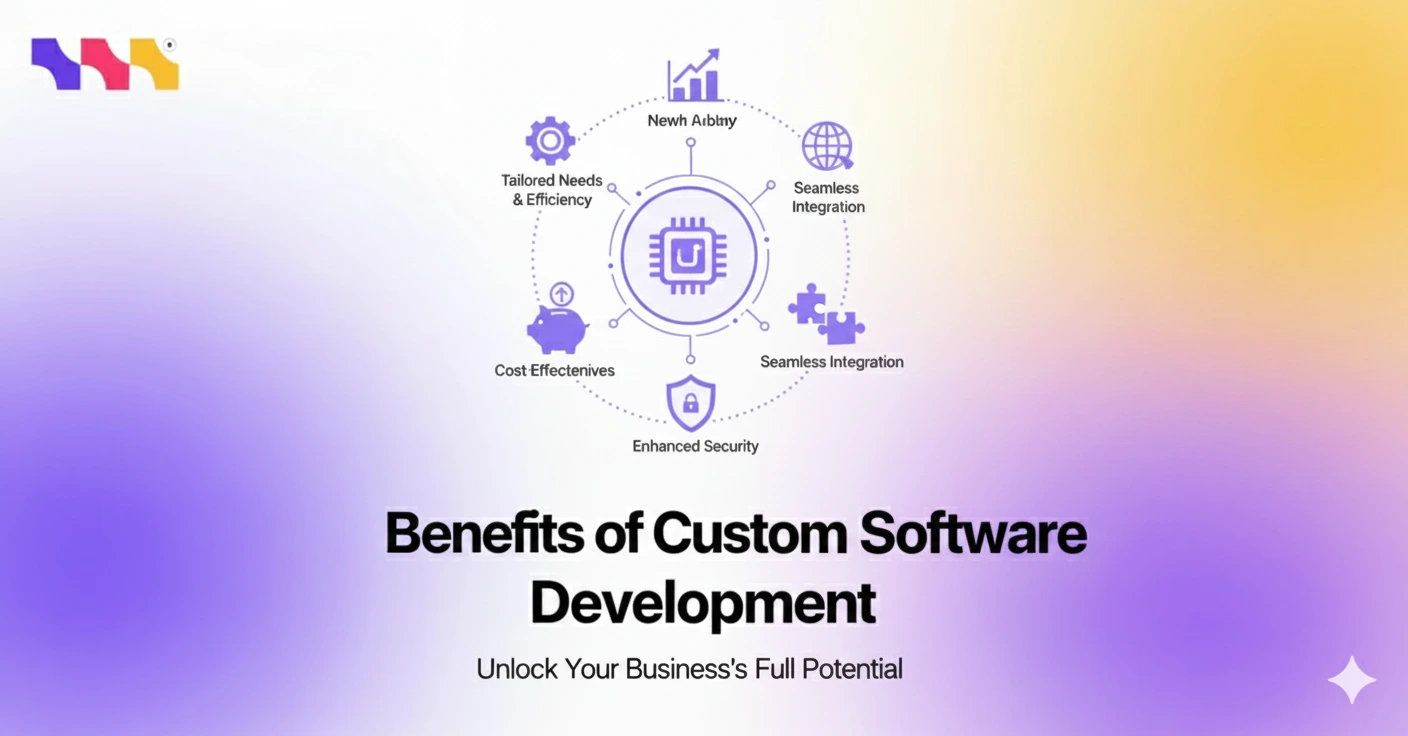
Tailored to Your Business Needs
No two businesses operate the same way. Every organization has its own workflows, goals, and challenges. While off-the-shelf software is designed to serve a broad audience, custom software is built specifically around how your business works.
Instead of changing your processes to fit a pre-built application, custom software adapts to your existing operations. This improves efficiency, reduces manual work, and helps employees accomplish tasks more effectively.
For example, a logistics company may require route optimization and fleet tracking, while a healthcare provider might need secure patient management and compliance-focused features. These specialized requirements are often difficult to address with generic software.
As your business evolves, your software can evolve with it. New features, workflows, and automations can be added without disrupting daily operations, making custom software a long-term investment rather than a short-term fix.
Scalability and Flexibility
Business needs change over time, and your software should be able to keep up. Whether you're expanding into new markets, increasing your workforce, or launching new services, scalable software ensures your operations continue running smoothly.
Many off-the-shelf solutions rely on predefined plans and feature limitations. As your business grows, you may need to upgrade to more expensive tiers or adopt additional tools to meet new requirements.
As businesses grow, their technology needs evolve alongside them. Gartner forecasts worldwide IT spending to continue increasing, with software spending alone expected to exceed $1.4 trillion in 2026. This reflects the growing importance of investing in technology that can support changing business needs over time. Building software with scalability in mind from the start helps businesses expand without costly system replacements or operational disruptions.
Custom software is built with future growth in mind. New modules, integrations, and user roles can be introduced whenever they're needed. For example, a retailer opening multiple locations can expand its existing platform with centralized inventory management and location-specific reporting instead of replacing the entire system.
This flexibility helps businesses adapt to change while protecting their technology investment.
Better Integration with Existing Systems
Most businesses rely on multiple software platforms to manage their daily operations. CRM systems, ERP platforms, accounting software, payment gateways, inventory management tools, and communication applications all need to work together efficiently.
Although many off-the-shelf applications offer built-in integrations, they're often limited to popular platforms or require third-party connectors, which increase complexity and costs. As businesses adopt more specialized tools, maintaining consistent data across systems becomes increasingly difficult.
Custom software is designed to integrate seamlessly with the technologies you already use, whether that's Salesforce, Microsoft Dynamics 365, SAP, Oracle NetSuite, QuickBooks, or proprietary internal systems. This enables information to flow automatically between platforms without manual data entry.
The result is a connected business ecosystem with improved accuracy, streamlined workflows, and greater visibility across departments.
Enhanced Security
As cyber threats continue to evolve, security has become a major consideration when choosing business software. While most off-the-shelf solutions offer reliable security features, they are designed to protect a wide range of users rather than to address the specific risks your business may face.
Custom software allows you to build security into the application from the ground up. Features such as role-based access control, multi-factor authentication, data encryption, audit logs, and industry-specific compliance measures can be implemented based on your operational and regulatory requirements.
Because you have greater control over the software, security updates and improvements can be prioritized according to your business needs instead of waiting for a vendor's release schedule. This makes custom software particularly valuable for organizations handling sensitive customer, financial, or healthcare data.
Cost Efficiency in the Long Run
Off-the-shelf software often appears more affordable because of its lower upfront cost. However, recurring subscription fees, licensing costs, user-based pricing, and paid add-ons can significantly increase the total cost of ownership over time.
Hidden software costs are becoming a growing concern for businesses. According to Flexera's 2025 State of IT Asset Management Report, organizations continue to face increasing pressure to improve visibility into software assets and optimize technology spending.
Custom software requires a larger initial investment, but it eliminates ongoing licensing fees and gives you complete control over future enhancements. Instead of paying for features your business doesn't use, you invest in functionality that delivers measurable value.
For growing businesses, this can lead to better long-term returns. As operations expand, you can enhance your software without worrying about vendor pricing changes or feature restrictions, making custom development a more cost-effective solution over the long term.
Greater Control and Ownership
One of the biggest advantages of custom software is ownership. Unlike off-the-shelf solutions, where the vendor controls product updates, pricing, and future development, custom software gives your business full control over how the application evolves.
You can decide when to introduce new features, improve existing functionality, or integrate additional systems based on your business priorities. There's no reliance on a vendor's product roadmap or concern that essential features may be discontinued.
This level of ownership also protects your investment. As your business grows and requirements change, your software can continue evolving without forcing you to migrate to an entirely new platform.
Superior User Experience
Software should make work easier, not more complicated. Because custom software is designed around your business processes, employees can complete tasks more efficiently without navigating unnecessary features or complex workflows.
Instead of adapting to a generic interface built for thousands of users, your team benefits from an application tailored to their daily responsibilities. This reduces training time, improves productivity, and encourages faster user adoption across the organization.
A better user experience also extends to customers. Whether it's a client portal, mobile app, or self-service platform, custom software can be designed to deliver a seamless experience that aligns with your brand and customer expectations.
Long-Term Support and Maintenance
Business software isn't a one-time investment. It needs continuous improvements to remain secure, efficient, and aligned with changing business requirements.
With custom software, support and maintenance are tailored to your needs. You can introduce new features, improve performance, fix issues, and adapt to changing market demands without waiting for vendor updates or product releases.
This ongoing flexibility ensures your software remains relevant as your business grows. Instead of replacing your system every few years, you can continuously refine and expand it, maximizing the value of your investment over time.
When Off-the-Shelf Software Makes Sense
While custom software offers greater flexibility and long-term value, it isn't the right choice for every business. In some situations, an off-the-shelf solution can be the more practical option.
If your business needs a standard application for functions like accounting, payroll, email marketing, or project management, a ready-made solution can help you get started quickly with minimal upfront investment. It's also a good choice for startups or small businesses that need to launch operations fast or have limited budgets.
However, as your business grows, you may find that these solutions become harder to customize, integrate, or scale. If your software starts limiting productivity or requires multiple workarounds, it may be time to consider a custom solution that better supports your long-term goals.
This should fit naturally before your conclusion. Instead of feeling like a checklist inserted for SEO, it helps founders make a practical decision based on where their business is today.
Which Option Is Right for Your Business?
By now, it's probably clear that there isn't a universal winner. The better choice depends on what you're trying to achieve over the next few years.
Many businesses start with off-the-shelf software because it's fast and affordable. Others realize early on that forcing their operations into a generic platform creates more inefficiencies than it solves. Taking a few minutes to evaluate your current needs and future plans can help you avoid an expensive switch later.
Custom software is often the better choice if your business:
-
Has unique workflows that standard software can't support
-
Needs to integrate multiple systems into one seamless platform
-
Expects rapid growth and wants software that scales with the business
-
Must comply with industry-specific regulations or security requirements
-
Wants complete ownership and control over its technology
Off-the-shelf software may be the better option if you:
-
Need a solution up and running as quickly as possible
-
Have a limited budget for initial implementation
-
Only require standard business features with minimal customization
-
Don't expect your software needs to change significantly in the near future
The key is to think beyond your immediate requirements. Software should support where your business is heading, not just where it is today.
Frequently Asked Questions
1. What is the difference between custom software and off-the-shelf software?
Custom software is built specifically for a business's unique requirements, while off-the-shelf software is designed for a broad audience with standardized features. The right choice depends on your budget, operational needs, and long-term growth plans.
2. Is custom software more expensive than off-the-shelf software?
Custom software usually requires a higher initial investment because it's developed specifically for your business. However, it can be more cost-effective over time by eliminating recurring licensing fees, reducing the need for multiple third-party tools, and allowing you to invest only in features your business actually needs.
3. Which businesses benefit most from custom software?
Businesses with unique workflows, complex operations, or long-term growth plans often benefit the most from custom software. Industries such as healthcare, logistics, manufacturing, finance, retail, and SaaS frequently require tailored solutions that integrate with existing systems and support industry-specific requirements.
4. Can custom software integrate with my existing business systems?
Yes. One of the biggest advantages of custom software is its ability to integrate with your existing technology stack, including CRM platforms, ERP systems, accounting software, payment gateways, and other business applications. This helps streamline workflows, improve data accuracy, and reduce manual work.
5. Is custom software more secure than off-the-shelf software?
Both custom and off-the-shelf software can provide strong security when implemented correctly. However, custom software allows businesses to build security features around their specific needs, including role-based access, multi-factor authentication, encryption, and compliance with industry regulations.
6. How much does custom software development cost compared to off-the-shelf software?
The cost depends on the project's complexity, required features, integrations, and development timeline. While off-the-shelf software generally has a lower upfront cost, ongoing subscription fees and customization expenses can add up over time. Custom software requires a larger initial investment but often delivers greater long-term value for growing businesses.
7. How do I know if my business needs custom software?
If your team relies on manual workarounds, uses multiple disconnected applications, or struggles with software that doesn't support your workflows, it may be time to consider a custom solution. Businesses planning to scale, automate processes, or gain a competitive advantage often see the greatest benefits from custom software.
8. Does Multisyn Tech offer a consultation before starting a custom software project?
Yes. Multisyn Tech offers consultations to understand your business goals, technical requirements, and operational challenges before recommending the most suitable solution. This helps ensure your investment aligns with both your immediate needs and long-term growth objectives.
Conclusion
The choice between custom software and off-the-shelf software ultimately depends on your business objectives, operational requirements, and growth strategy.
If you need a cost-effective solution that can be deployed quickly for standard business processes, off-the-shelf software may be the right fit. On the other hand, if your business relies on unique workflows, requires seamless integrations, or plans to scale over time, custom software offers greater flexibility, ownership, and long-term value.
By evaluating your current challenges alongside your future goals, you can make a more informed technology investment- one that supports your business not just today, but for years to come.
If you're unsure which approach best suits your organization, we can help you evaluate your requirements and recommend a solution tailored to your business needs. Whether you're planning a new software project or modernizing an existing system, Multisyntech is here to guide you every step of the way.
Book a discovery call and get a tailored solution for your business needs.